
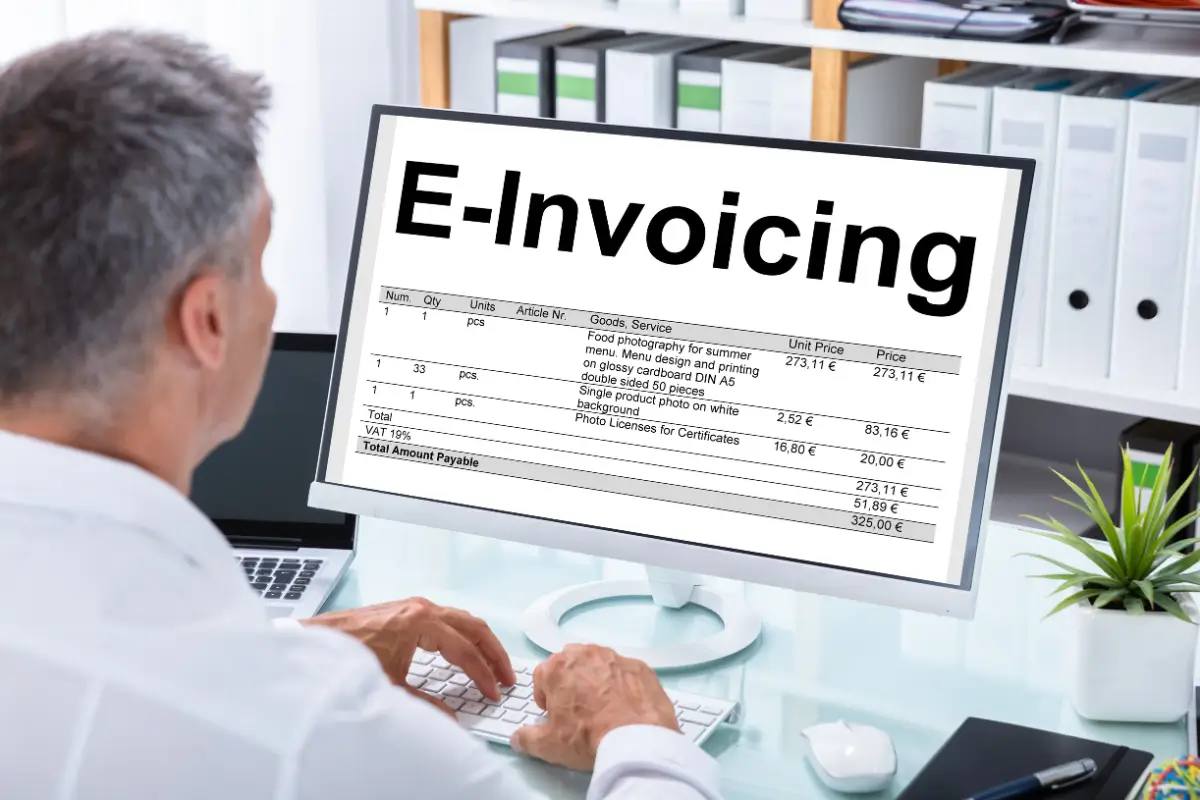
Facts ERP Dubai: How UAE eInvoicing Is Reshaping Business Operations
There’s a common mistake businesses are making right now.
They’re preparing for UAE eInvoicing like it’s just another compliance update.
It’s not.
What’s coming is a structural change in how invoices are created, validated, and exchanged. And if your systems aren’t ready, it won’t just slow you down-it will disrupt how your business runs.
This is exactly what industry discussions, including a recent Gulf News feature, are pointing toward.
A Bigger Shift Than Most Expect
A recent feature in Gulf News highlights how the UAE’s eInvoicing initiative is transforming compliance into something far more strategic.
The key idea is simple:
eInvoicing is not just about sending invoices digitally. It’s about redesigning the entire invoicing lifecycle.
That includes:
- How invoices are generated
- How they are validated
- How they move between systems
- How they are reported to authorities
This shift turns invoicing into a real-time, system-driven process rather than a static document exchange.
What Changes for Businesses in the UAE
Let’s make this practical.
With eInvoicing, your business will move from:
Manual / Semi-digital process
- PDFs, Excel, email-based workflows
- Post-facto validation
- Limited visibility
To:
Fully digital, structured workflow
- Machine-readable invoice formats
- Real-time validation
- Automated reporting through ASPs
This means your current process might not just need improvement-it may need a complete rethink.
Why Your ERP System Becomes Critical
Here’s where things get serious.
Most companies assume their accounting system can handle eInvoicing.
In reality, the responsibility sits with your ERP.
Because your ERP must:
- Generate structured invoice data (XML / Peppol formats)
- Connect to Accredited Service Providers (ASPs)
- Process validation responses instantly
- Maintain complete audit trails
If your ERP cannot handle this, you’ll end up with workarounds-and that’s where problems begin.
How Facts ERP Dubai Fits Into This Shift
Facts ERP Dubai is designed with this exact transition in mind.
Instead of forcing businesses to rebuild their systems, it already supports:
- Structured invoice generation aligned with UAE standards
- Integration with multiple ASPs (no vendor lock-in)
- Real-time validation and error handling
- End-to-end invoice lifecycle tracking
So rather than reacting to the mandate, businesses using FactsERP are preparing ahead of it.
Compliance Is Just the Starting Point
The interesting part is what happens after compliance.
Businesses that implement eInvoicing properly start seeing:
Faster Collections
Validated invoices reduce disputes and delays
Cleaner Financial Data
Structured data improves reporting accuracy
Reduced Manual Work
Automation removes repetitive tasks
Better Decision-Making
Real-time visibility into transactions
This is why the Gulf News feature emphasizes turning compliance into a strategic advantage, not just a requirement.
The Role of ASP Integration
One of the most important components in this ecosystem is the Accredited Service Provider (ASP).
Your ERP doesn’t directly connect to the government. Instead, it communicates through ASPs that:
- Validate invoice data
- Transmit it across the network
- Ensure compliance with standards
This creates a connected flow:
ERP → ASP → Network → Buyer → Authority
FactsERP supports this model while allowing businesses to choose the ASP that fits their needs-whether based on cost, performance, or industry focus.
Why Timing Matters
The rollout timeline is approaching quickly, but implementation is not instant.
To be ready, businesses need to:
- Review current invoicing workflows
- Clean and standardize data
- Upgrade ERP capabilities
- Test integrations with ASPs
Waiting until the last minute increases the risk of:
- Invoice rejections
- Payment delays
- Compliance issues
A Practical Way to Look at It
Instead of asking:
“Are we compliant?”
A better question is:
“Are we ready to operate in a real-time, data-driven invoicing environment?”
Because that’s where the UAE is heading.
Final Thoughts
The UAE eInvoicing mandate is not just introducing a new rule-it’s introducing a new way of working.
Businesses that adapt early will benefit from:
- Faster processes
- Better financial control
- Stronger compliance positioning
Facts ERP Dubai helps you get there without disruption.
It connects compliance, automation, and real-time data into one system-so your business isn’t just ready for eInvoicing, but ready for what comes after it.